June 22, 2025 · 8 min read
7 DIY Pressure Washing Mistakes to Avoid
Renting a pressure washer from the big-box store looks easy. The unit is cheap, the wand is intuitive, the instructions are reassuring. And then the homeowner cracks stucco, blows out window seals, or strips paint off cedar siding — and now they are calling a professional anyway, but this time for a $5,000 repair job instead of an $800 cleaning. Here are the seven mistakes we see most often, in the order they show up in our quoting calls.
1. Using Too Much Pressure on Siding
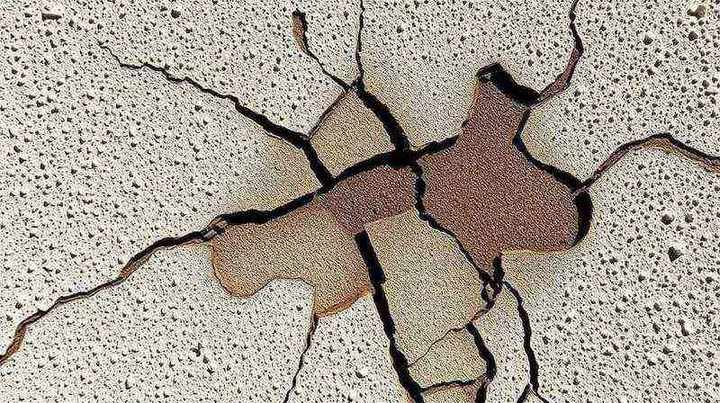
Consumer pressure washers run 1,800–3,000 PSI. Vinyl siding, Hardie board, and stucco are not rated to handle anything above 1,500 PSI at close range. Holding the wand within 12 inches of siding at full pressure cracks stucco, forces water behind vinyl panels (where it pools and rots framing), and gouges Hardie. The right method for siding is always soft washing, not pressure washing.
2. Pressure Washing the Roof
Every shingle manufacturer in North America voids the warranty if the roof is cleaned with high pressure. Pressure strips the granules off the shingle, exposing the asphalt to UV and dramatically shortening roof life. Use a soft wash — and only a soft wash — on shingles.
3. Aiming Up at Windows, Soffit and Eaves
Spraying upward forces water under window seals, into soffit panels, and behind siding. Wet insulation and rotted framing don't show up for months — sometimes years — and the damage is always more expensive than a professional cleaning ever would have been. Professionals soft-wash these surfaces with foam and a soft rinse, never with high pressure.
4. Wrong Chemicals on the Wrong Surface
Sodium hypochlorite (the active ingredient in most soft-wash solutions) will burn aluminum and bleach concrete if applied wrong. Oxalic acid (used for wood brightening) will etch concrete. Hydrofluoric acid (a common DIY rust remover) will burn skin and burn concrete worse than the rust. Professionals know which chemical to apply where, at what concentration, and how to neutralize. DIYers learn by ruining their property.
5. Ignoring the Landscaping
Most soft-wash chemicals are biodegradable, but at full concentration they will burn or kill plants. A professional pre-saturates every plant before applying solution and rinses continuously during the job. A DIYer typically doesn't, and ends up with a brown semicircle around the foundation where the boxwoods used to be.
6. Forgetting to Cover Electrical and Outdoor Outlets
Outdoor outlets, GFCI boxes, and HVAC components are vulnerable to high-volume water. Professionals tape and bag every outlet and any vulnerable component before they start. DIY oversight typically results in a tripped breaker — and sometimes a permanently damaged outlet that requires an electrician.
7. Trying to DIY a Roof or Two-Story House
Roof falls and ladder falls send tens of thousands of homeowners to emergency rooms every year. There is no soft-wash job worth a broken back or a head injury. Professionals carry fall-protection gear, work in trained pairs, and are insured for the risk.
What a Pro Brings to the Job That a Rental Unit Cannot
- Hot-water units (180°F) that cut grease and gum on driveways in a single pass.
- Variable-pressure pumps that step down to 60 PSI for siding without sacrificing flow.
- 12-volt soft-wash systems engineered specifically for roofs and painted surfaces.
- Surface cleaners that finish a driveway evenly in a fraction of the time.
- Reach extensions and gutter wands that clean two-story homes without a ladder.
- Two million dollars of liability insurance protecting you if anything goes wrong.
The Bottom Line
DIY pressure washing on small flatwork — a sidewalk, a small patio, a single car — is fine. DIY soft washing of siding, roofs, two-story homes, or anywhere you would need a ladder is almost never worth the risk. A professional clean is $279–$899 for most homes. A DIY mistake can run $5,000 to $25,000 in repairs. Call AquaShine at (626) 618-8360 for a flat-rate quote and let the trained, insured team handle it.